

The Healing Power of Expressive Therapies
There are moments in life when words fall short—when the weight of our emotions cannot be carried by language alone. In these tender spaces, expressive therapies offer a way to connect with ourselves and others, especially when we feel unable to articulate what lives within us.
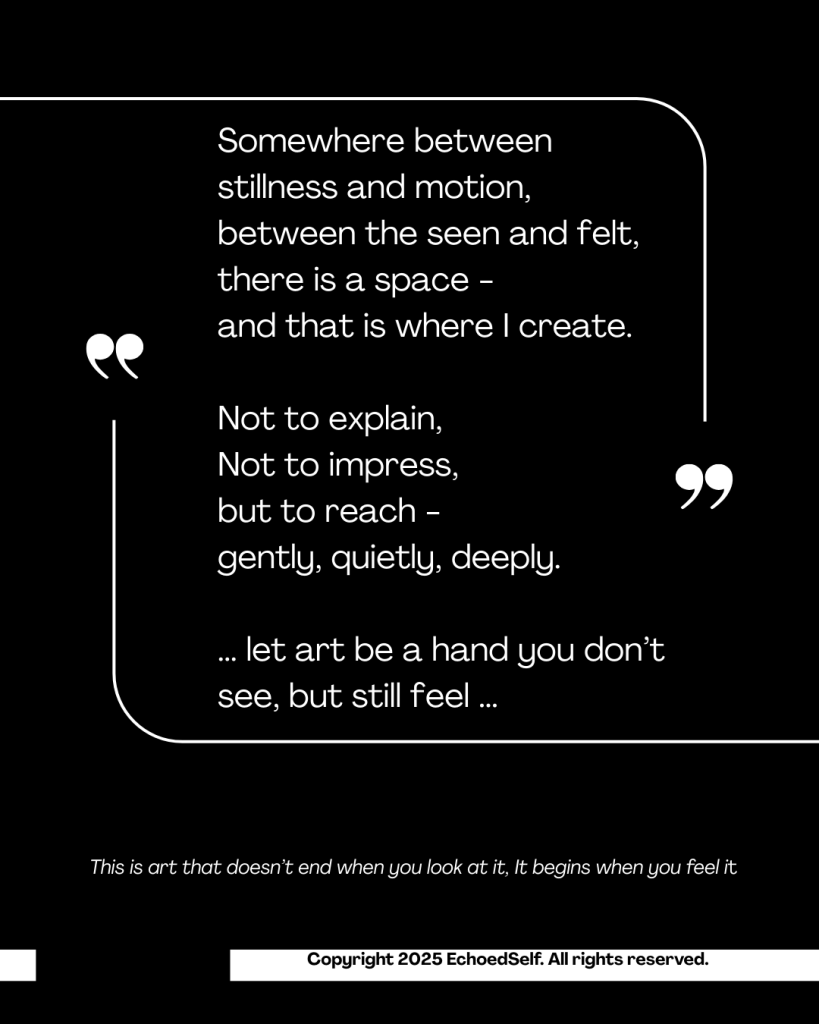
Art is often seen as a skill or a product, but its true gift lies in the act of creation itself. The process of making—whether through painting, movement, sound, or storytelling—can be profoundly healing. It invites us to be present with our inner world, to explore without judgment, and to express without needing to explain.
Many people believe that art must be beautiful or admired to be meaningful. Yet this belief can create barriers, especially when we’re trying to engage with our thoughts and emotions through expressive practices. In truth, the value of art in therapy is not in the outcome, but in the journey, it invites us to take.
As therapists, we often rely on language to build connection. But language is just one pathway. Non-verbal expression—through gesture, image, rhythm, and silence—can speak to the deepest parts of us. It allows us to feel and be felt, even when words are too fragile or too far away.
This kind of connection cannot be forced or rushed. It unfolds gently, through presence and patience. The process itself becomes the guide—leading us toward safety, understanding, and inner resonance. In a world that demands speed, productivity, and instant results, slowing down becomes a radical act of care.
To be intentional with our presence—to pause, breathe, and listen—is to create space for healing. And when we do this for ourselves, we become more able to offer that same presence to those we support.
Inner Place of Stillness: A Gentle Practice
Part 1: Grounding in Breath
Find a comfortable position—seated or lying down. Let your awareness settle into your breath. With each inhale, breathe into the edges of your body. With each exhale, allow your breath to flow outward in all directions.
Notice what arises—sensations, emotions, memories. Let them be, without needing to change or fix them.
Begin to sense into your own inner sanctuary—a quiet place within that remains steady, even as waves of feeling move through you. This place may hold peace, stillness, or simply presence.
Part 2: Imagining Your Sanctuary
As you rest in this inner stillness, ask yourself:
- Is there an image that captures this place?
- A colour that expresses its essence?
- A symbol or object that embodies its presence?
Let yourself write, draw, or reflect on whatever emerges.
Part 3: Receiving a Message
If this inner sanctuary could speak, what message would it offer you today?
Listen gently. There is no right answer—only what feels true in this moment.
If you feel drawn to explore expressive therapies further, you are most welcome to schedule an appointment with Marie Menzies-Brown. Marie offers a gentle, supportive space to discover new forms of creativity, self-understanding, and healing—no art experience necessary. If you’re curious about how expressive therapy might support your journey, please reach out to book a session or to find out more.
Share this Post