
Alexis Preisig-Toro
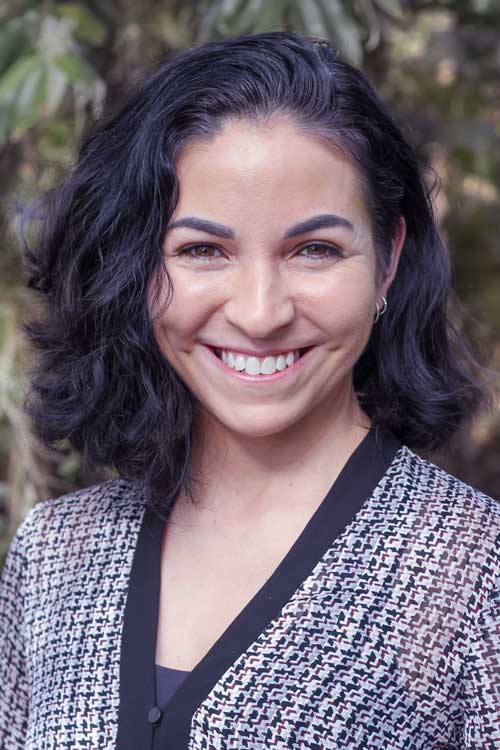
BAPsych (Hons), Dip Linguistics, MAPS, MAPPI
Registered Psychologist
For as long as I can remember, I have been passionate about helping people become the best version of themselves. Through my own life experiences, I have learned that our strengths often emerge during moments when we feel the most challenged. As a psychologist, I draw on my experience and knowledge to support clients in overcoming obstacles, building resilience, and developing practical skills to navigate difficulties and achieve their personal goals.
As a registered General Psychologist with the Australian Health Practitioner Regulation Agency (AHPRA), my experience spans across private practice, hospital, and correctional settings, supporting adolescents and adults with diverse mental health needs.
I have developed specialised experience treating individuals with eating disorders and other eating-related difficulties, using evidence-based approaches that empower clients to manage challenges, regain control, and take active steps towards recovery.
With years of experience in the fitness industry, I bring a strong understanding of the connection between physical and mental health to my practice. This background allows me to support clients in addressing both the physical and psychological aspects of their well-being in ways that are motivating, balanced, and sustainable.
I take a collaborative, client-centred approach to therapy, with treatment guided by each client’s unique needs, values, and goals. I draw on a range of evidence-based frameworks, including Cognitive Behavioural Therapy (CBT), Enhanced Cognitive Behavioural Therapy (CBT-E), Dialectical Behaviour Therapy (DBT), Acceptance and Commitment Therapy (ACT), and motivational approaches.
I work with adolescents and adults across a wide range of challenges and support needs, including:
- Supportive therapy for LGBTQIA+ clients
- Eating disorders and other eating-related challenges
- Anxiety and stress-related challenges
- Depression (including perinatal, antenatal, and postnatal) and low mood
- Burnout and chronic stress
- Life transitions and adjustment difficulties
- Relationship and interpersonal difficulties
- Self-harm and safety concerns